Updated
Shimeji
A clustered beech-wood mushroom, bitter raw and nutty cooked. Grown at industrial scale in Japan; the research on it is mostly preclinical.
Laboratory work
Nobody has run a trial of it in people that reached a public register, and no randomised trial of it has been indexed. Everything below is laboratory work, where it grows, and what people report.
What it is taken for
One tile per use. The line under each is how far the evidence for that use actually got, counted rather than argued.
What it has been tried for, and how far that has got
One row per use. The label is counted rather than argued — it is set by how many randomised trials and posted results exist for that use, and nothing else. How that is worked out.
| Use | How far it has got | Trials | With a result | Randomised, published | Reviews | Commonly taken for it |
|---|---|---|---|---|---|---|
| Allergy | Laboratory work | 0 | 0 | 0 | 0 | yes |
| Immune function | Laboratory work | 0 | 0 | 0 | 0 | yes |
Commonly taken for immune function, allergy. The work there is still laboratory and animal work — often a great deal of it — and the step into a trial in people has not been taken yet.
The compounds the research names
Formula and mass from PubChem. Naming a compound is not a claim that it does anything in a person.
C18H32O16
What it looks like in the field
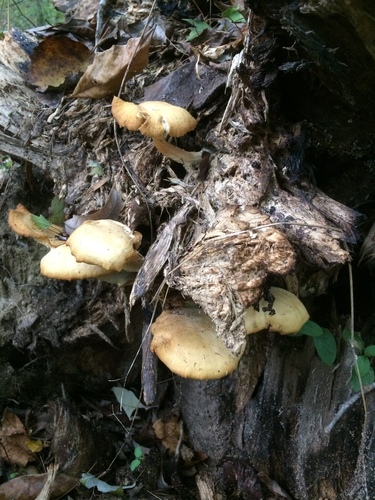
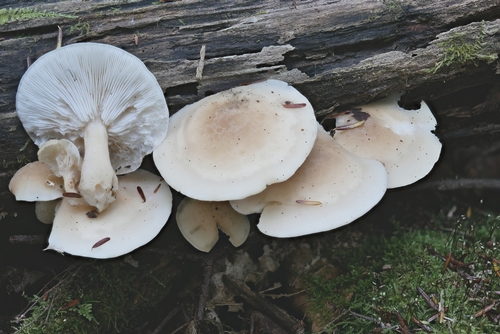
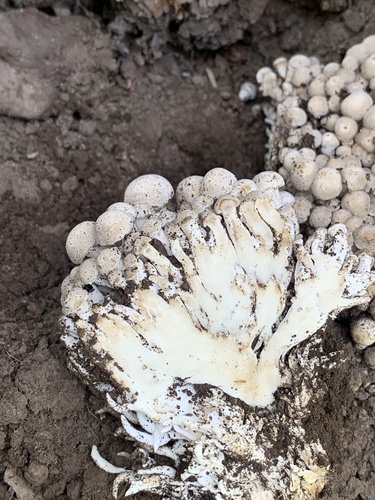
Research-grade observations, each by a different photographer. Every one links to the record it came from.
In the kitchen
Bitter raw, nutty and sweet once cooked. The change is dramatic.
Always cooked, never raw. Pulled into clumps and fried, or added to miso soup and rice dishes.
Raw shimeji is unpleasantly bitter and can upset the stomach.
Where it has been recorded, and when it fruits
246 verified occurrence records with coordinates, from GBIF. This is where people have recorded it, which follows where recorders live as much as where the fungus grows — read the shape, not the ranking.
| United States | 119 | |
| Canada | 56 | |
| Japan | 37 | |
| Russia | 12 | |
| Sweden | 6 | |
| Estonia | 5 | |
| China | 4 | |
| Mexico | 3 | |
| South Korea | 2 | |
| BT | 1 | |
| Portugal | 1 |
Most records fall in Oct. Northern-hemisphere recorders dominate the dataset, so a southern population would not show here.
iNaturalist separately holds 106 research-grade observations of it.
What has been reported going wrong
No voluntary adverse-event report to the US Food and Drug Administration names a product by this name. That is an absence of reports, not a demonstration of safety: these are the products least likely to be reported on, because nobody is required to.